
The Airalo Guide to Local, Regional, and Global eSIMs
Dinalex Travel Tours
4/2/20268 min read

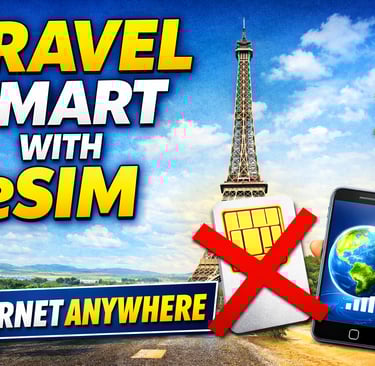
eSIM technology represents an evolution in mobile telecommunications, providing users with a flexible and convenient alternative to traditional SIM cards. An eSIM, or embedded SIM, is a digital SIM card that is built directly into a device. Unlike a physical SIM card, which requires insertion into a slot, an eSIM is rewritable and can store multiple mobile network profiles. This capability allows users to switch between carriers without the need to replace a physical card, a feature that proves particularly beneficial for travelers.
The way eSIM technology works involves a secure element embedded in the device, which connects to mobile networks via an activation code provided by the carrier. Users can easily download and activate different mobile plans, where they might have previously needed to visit stores or wait for physical SIM cards to arrive. Furthermore, since eSIMs can hold multiple profiles simultaneously, users are able to maintain local and international connectivity seamlessly, facilitating phone usage across borders.
For travelers, the advantages of eSIMs are numerous. Firstly, they eliminate the hassle of finding and purchasing local SIM cards upon arrival at a destination. Travelers can acquire an eSIM data plan ahead of time, ensuring immediate access to mobile services as soon as they arrive. Secondly, eSIM technology enhances security; since it is embedded within the device, there is no risk of losing a physical card. Additionally, users can easily manage and switch plans without needing to physically swap SIM cards, providing users with the greater flexibility required in today's dynamic travel environment.
In comparison to traditional SIM cards, eSIMs offer significant conveniences and benefits that align with the evolving needs of modern travelers. Overall, understanding eSIM technology lays a crucial groundwork for exploring the various options available in local, regional, and global eSIM services.
Local eSIMs: Connectivity in One Country
Local eSIMs have become an essential choice for travelers looking to stay connected while visiting a single destination. Designed specifically for use within one country, these eSIMs offer tailored data plans that align with the local mobile networks. They ensure travelers can access high-speed data without the excessive roaming charges typically associated with international usage.
One of the key advantages of local eSIMs is their adaptability to varied network conditions. Each eSIM connects seamlessly to the most reliable local carrier, thereby providing enhanced coverage and faster download speeds. This is particularly beneficial for individuals who require a stable internet connection for work or personal communications while abroad. Furthermore, local eSIMs can be activated instantly, allowing travelers to enjoy connectivity from the moment they land, eliminating the hassle of searching for physical SIM cards.
Local eSIMs are advantageous for a variety of use cases. For instance, tourists exploring a city might use a local eSIM to navigate, share their experiences on social media, or stay in touch with friends and family. Similarly, business travelers can utilize local data plans to access important emails or attend virtual meetings without interruption. These eSIMs provide the flexibility needed for diverse travel needs, all while being cost-effective.
When it comes to purchasing local eSIMs, travelers have several options. Many local mobile providers offer eSIMs directly through their websites, making it easy to compare plans and prices. Additionally, eSIMs can often be acquired at airports, local stores, or online via platforms specializing in travel technology. To ensure a seamless experience, it is advisable to check compatibility with devices before making a purchase.
Regional eSIMs: Multiple Countries, One Plan
Traveling across several countries within a geographic region can often present challenges when it comes to mobile connectivity. However, regional eSIMs have emerged as a versatile solution for travelers who require seamless data access across multiple destinations. These eSIMs are designed to cater specifically to geographic areas, such as Europe, Southeast Asia, or Latin America, offering a cost-effective means of staying connected without the hassle of switching SIM cards or dealing with multiple plans.
One of the key advantages of regional eSIMs is their pricing structure. Instead of purchasing separate plans that can accumulate significant costs, travelers can opt for a single regional eSIM plan. This can lead to substantial savings, especially for those who are planning multi-destination trips. For example, a regional eSIM for Europe typically covers numerous countries at a competitive rate, allowing users to enjoy the same data allowance, often at a flat price across different nations. This streamlined approach not only simplifies budgeting but also reduces the logistical complexity associated with international roaming.
Additionally, regional eSIMs offer extensive coverage, ensuring travelers remain connected in various locations. Most regional plans are backed by extensive partnerships with local carriers, which means users can access reliable networks across multiple countries without interruption. This is particularly beneficial for business travelers and tourists alike, allowing for uninterrupted communication and internet access whether visiting cities in France, Italy, or Spain. Moreover, activating a regional eSIM is straightforward, often requiring just a scan of a QR code to set up, making it an ideal choice for travelers seeking convenience.
Overall, choosing a regional eSIM can significantly enhance the travel experience by providing a comprehensive, cost-effective, and hassle-free solution for connectivity. As travelers increasingly seek flexible options for multiple destinations, regional eSIMs stand out as a valuable tool for modern journeys.
Global eSIMs: Coverage Across Continents
Global eSIMs have emerged as a transformative solution for travelers crossing continents, providing seamless connectivity across various regions without the need for multiple physical SIM cards. These plans are particularly advantageous for individuals who travel frequently, allowing them to stay connected with minimal hassle.
One of the most notable features of global eSIMs is their extensive coverage, which often spans over 100 countries. This vast reach ensures that travelers can maintain their mobile data services in numerous destinations, facilitating smooth communication and data access regardless of the continent. It eliminates the concern of finding local SIM cards or incurring high roaming charges.
The pricing structure of global eSIMs can vary significantly based on the provider and the specific plan selected. Many offer flexible options tailored for short trips as well as longer stays, which generally include a diverse range of data allowances. This flexibility makes global eSIMs an appealing choice for both short-term vacationers and long-term travelers exploring multiple countries. For instance, some providers offer pay-as-you-go plans while others may have fixed data packages that offer greater savings for extensive use.
Furthermore, global eSIMs benefit users who are long-term travelers, frequent flyers, or expatriates as they provide relatively stable pricing devoid of sudden hike due to roaming. These eSIMs also eliminate the need to switch SIM cards in different countries, thus reducing the risk of losing a physical card. Businesses and digital nomads particularly value this convenience for uninterrupted connectivity while working or traveling worldwide.
In conclusion, global eSIMs represent a significant advancement in mobile connectivity for international travelers, offering broad coverage, flexible plans, and ease of use that aligns perfectly with the needs of modern globetrotters.
Comparison of Local, Regional, and Global eSIMs
When evaluating eSIM options, travelers must consider the distinctions between local, regional, and global eSIMs to choose the most suitable plan for their needs. Each type of eSIM offers unique benefits and limitations, which cater to various travel scenarios.
Local eSIMs are designed for use within a specific country. They usually provide extensive coverage and excellent data speeds, as they are optimized for local telecommunications infrastructures. Travelers intending to spend significant time in one country, or those seeking to minimize costs associated with international roaming, will find local eSIMs advantageous. They often present the lowest-priced data plans, enabling users to maximize their budget by avoiding high roaming fees.
Regional eSIMs cater to travelers visiting several countries within a specific geographical area. These plans can cover multiple nations, making them ideal for those planning to explore neighboring countries within a short time frame. While regional eSIMs are typically more affordable than global options, prices can vary based on the extent of coverage and the number of included countries. For example, some regional eSIMs may only encompass a few countries in a continent, while others offer more extensive coverage across multiple regions.
Global eSIMs, as the name suggests, provide coverage across numerous countries worldwide. This option is particularly useful for frequent travelers and digital nomads, ensuring they stay connected regardless of their location. While convenience is the hallmark of global eSIMs, they tend to be more expensive than local and regional counterparts. It’s crucial for travelers to weigh the benefits of global coverage against their itineraries and budget constraints.
Ultimately, the choice between local, regional, and global eSIMs hinges on travel itineraries, cost considerations, and individual connectivity requirements. Assessing each type's advantages will inform a smart decision that enhances the travel experience.
How to Purchase and Activate Your eSIM
Purchasing and activating your eSIM through the Airalo platform is a straightforward process, designed to provide users with seamless connectivity. To begin, visit the official Airalo website or download the Airalo mobile application. Upon accessing the platform, you will be guided to choose the type of eSIM that suits your travel needs—local, regional, or global. Each choice varies in terms of coverage and data allowance, so it is crucial to review all options carefully before proceeding.
Once you have selected your desired eSIM plan, click the 'Purchase' button. You will then be prompted to create an account or log in if you already have one. After completing any necessary account setup, proceed to the checkout page to finalize your purchase. This step typically involves inputting your payment information and confirming your selection. After your payment has been processed, you will receive a confirmation email containing your eSIM details that you will need for activation.
To activate your eSIM, follow the instructions included in the confirmation email. Generally, this involves scanning a QR code or manually entering an activation code into your device settings. Ensure that your device is compatible with eSIM technology and is updated to the latest software version for optimal performance. After activating the eSIM, each device may require you to select the eSIM profile to use it for mobile data. For a seamless experience, it is advisable to connect to Wi-Fi during this setup to avoid data charges.
If you encounter any issues during activation, consult the troubleshooting section on the Airalo support page, where you can find solutions for common problems. Additionally, contacting customer service is an option for personalized assistance.
Maximizing Your eSIM Usage While Traveling
Traveling with an eSIM offers unparalleled convenience, but to truly harness its potential, you must implement effective strategies. One essential approach is to manage your data usage thoughtfully. Many travelers underestimate how quickly data can be consumed. To avoid unexpected charges, monitor your data consumption regularly. Most smartphones provide insights into data usage per app, enabling you to limit unnecessary online activities while abroad. Disable automatic updates and background data for applications that aren't essential during your journey.
In addition to data regulation, leveraging local applications can significantly enhance your connectivity experience. Depending on your destination, consider downloading apps tailored to local services, which may save costs on calls, maps, and even navigation. Many cities offer public transit apps that provide real-time updates, while local messaging services may use less data compared to international alternatives. This not only helps in staying connected but also immerses you in the local culture.
Moreover, take advantage of Wi-Fi in cafes, hotels, and public spaces. This allows you to conserve your eSIM data plan while still maintaining constant communication and access to necessary information. When possible, switch your mobile settings to utilize Wi-Fi calls and texts, which can greatly reduce data consumption. This hybrid approach to connectivity ensures you remain reachable, while also managing costs effectively.
Finally, familiarize yourself with your eSIM provider’s policies. Understanding your data package details, including limits and charges for overages, will empower you to make informed decisions during your travels. Effective planning and utilization of resources can maximize your eSIM experience, transforming your travel into a seamless journey rather than a costly ordeal.
